
Medjugorje Book
Medjugorje Book – A quiet way to keep Marian peace, testimony, and simple prayer close at hand, whether you have visited Medjugorje or only carry it in your heart.
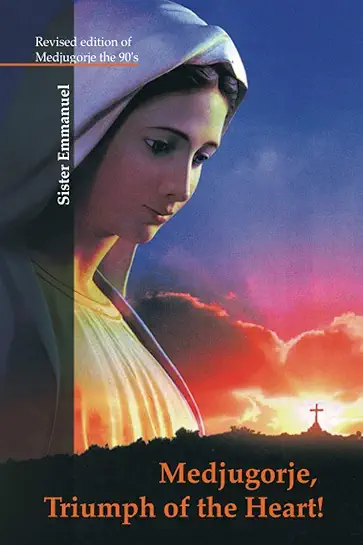
A Medjugorje Book can be many things at once: a memory of a holy place, a companion in prayer, a gentle introduction for someone who has only heard a few stories, or a way to stay close to Mary’s motherly presence in the middle of ordinary days. For many of us who cannot always travel, a simple book on Medjugorje becomes a small doorway to silence, reflection, and the habit of turning our hearts toward God, even in busy American life.
I still remember the first time I picked up a Medjugorje Book at a parish book table after Mass. I did not expect much; I thought it would be something I skimmed quickly and left on a shelf. Instead, I found myself reading it slowly, a few pages each night, often underlining short lines or dates that touched me. It did not change my life in any dramatic way, but it quietly reshaped the way I looked at ordinary things: my commute, my worries, my family conversations. It reminded me to look for grace in the middle of the day, not only in special moments.
Over time, I realized that a Medjugorje Book can sit next to a Bible, a rosary, and a simple crucifix, forming a little corner of peace in the home. Without fanfare, it supports the rhythm of prayer: a decade of the Rosary, a short reading, a moment of silence. Nothing complicated, nothing loud, just a simple, steady reminder of Mary’s call to prayer, fasting, and conversion. Whether the reader fully understands Medjugorje or still has questions, the book can serve as a gentle companion rather than a loud voice.

This page contains affiliate links. If you click and buy, I may earn a commission at no extra cost to you.
I’ll look into thisWhat a Medjugorje Book Can Be in Everyday Life
Most Medjugorje books are not meant to be rushed through. They are usually best when read slowly: a witness story here, a reflection there, a date, a message, a small meditation. For an American Catholic who juggles work, children, aging parents, or simply the strain of constant noise, a Medjugorje Book can feel like a small sanctuary made of paper and ink, calling the mind back to what matters.
Some people place their Medjugorje Book on a bedside table and open it for a few minutes before sleep. Others keep it near their favorite chair or in a prayer corner. I know someone who carries a small Medjugorje booklet in a work bag and reads it quietly during lunch break instead of scrolling on a phone. These small, hidden habits slowly shape the soul without drawing attention to themselves.
Often, the content includes personal testimonies, reflections on Marian devotion, or retellings of what has happened in Medjugorje over the years. Reading such accounts does not require a theological background. You simply listen with the heart, as you would listen to a friend sharing how prayer affected their life. In that way, a Medjugorje Book becomes part of a larger story, connecting your own daily struggles and hopes with those of other believers around the world.
For those unfamiliar with Marian apparitions, a page or chapter can open the door to explore broader Catholic tradition. Many readers find themselves curious about the Rosary, about daily Mass, or about the long history of Marian devotion in the Church. Sometimes a single paragraph in a Medjugorje Book becomes an invitation to look up more about places like Lourdes or other Marian shrines, helping to locate Medjugorje within a wider tapestry of faith.
What matters most is not collecting as many Medjugorje titles as possible, but letting at least one of them live close to your real life: near your bills and keys, near your phone and cup of coffee. The goal is not escape, but quiet presence. A page or two read in faith can gently steady the heart.
Different Types of Medjugorje Books
When people talk about a “Medjugorje Book,” they might mean several different kinds of writings. Some volumes are collections of reported messages and dates. Others are first-hand pilgrimage stories. Some are simple introductions, written for those who have never heard of this small village in Bosnia and Herzegovina. Each type plays a different role in someone’s spiritual life.
1. Testimony and Pilgrimage Stories
These books often read like personal journals. Pilgrims describe their trip to Medjugorje: the climb up Cross Mountain, the lines for confession, the quiet of Adoration, the unexpected conversations with strangers who felt like friends. For someone unable to travel, these testimonies can provide a window into the lived experience of faith in that place.
I remember reading a Medjugorje Book filled with short testimonies from people of different ages: a college student, a widower, a busy mother, a retired couple. Their words were simple, almost ordinary, but together they painted a picture of a God who quietly meets people where they are. It reminded me that pilgrimage is not only about geography; it can also be an interior journey made through reading, prayer, and daily fidelity.
2. Collections of Messages and Reflections
Some Medjugorje books gather messages associated with particular dates, then offer a brief reflection, a Scripture passage, or a practical suggestion. Many people will open such a volume to the current date and slowly read what is written there. Over time, this becomes a gentle rhythm, almost like a daily devotional. Again, what counts is not how much is read, but how honestly we allow the words to sink in.
These collections can fit very naturally into family life. A parent might read a short passage aloud after dinner or before bedtime, then allow a moment of silence. There is no pressure to have deep discussions every night; sometimes the words need to rest quietly in the heart. For children, simply seeing a Medjugorje Book handled with reverence can teach them that faith is part of everyday home life, not just a Sunday event.
Bringing Medjugorje into a Home Prayer Corner
Many American Catholics create a small prayer space somewhere in the house: a shelf, a corner table, a windowsill. A simple crucifix, a small statue of Mary, perhaps a candle and a rosary — and often, a favorite book. For those who feel particularly drawn to Mary’s presence in Medjugorje, placing a Medjugorje Book in that corner makes sense. It becomes part of the quiet “conversation” of the home.
In my own home, there is a low table near the living room where we keep a Bible, a rosary, and a Medjugorje Book that has been opened and closed so many times the spine is worn. Sometimes it lies untouched for days when life gets hectic. Then, without any plan, one evening someone sits down, opens it, and reads a short passage aloud. Without any ceremony, that little reading shapes the rest of the night, calming conversations and inviting a more gentle tone.
A Medjugorje Book in a prayer corner can serve several simple purposes:
- Offering a starting point when you “don’t know how to pray.”
- Giving families something short to share together.
- Connecting everyday worries with a larger story of trust and conversion.
- Serving as a visible reminder of Mary’s care and intercession.
This is not about creating a perfect prayer routine. It is about leaving room for quiet encounters. A page read in the middle of a stressful week, a passage remembered during a commute, a line that comes back while doing dishes — these are small ways that God speaks into daily life. A Medjugorje Book simply makes those moments a bit more likely.
Using a Medjugorje Book in Personal Prayer
Some people like structure in prayer; others prefer freedom. A Medjugorje Book can gently support both approaches without overwhelming either. If you appreciate structure, you might pick a certain time (for example, after dinner) and read a short passage, followed by a decade of the Rosary or a moment of silence. If you struggle with strict schedules, you might simply keep the book near you and open it whenever your heart feels restless or distracted.
One simple pattern that has helped me is this:
- Begin with a short, honest prayer such as, “Lord, I am here. Help me listen.”
- Read one page or one short message slowly.
- Notice which line stays with you.
- Speak to God about that line in your own words.
- End with a brief prayer of gratitude, even if you felt nothing special.
Over time, this way of using a Medjugorje Book teaches the heart to stay simple and sincere. There is no need to “feel” something every time. Just showing up and reading with an open heart is already a form of worship. Mary always leads us gently to her Son, and a humble book can become one of the threads in that journey.
Reading with Family or Friends
Sharing a Medjugorje Book aloud can be surprisingly moving. A couple might choose a passage once a week to read together after dinner. A small group of friends might gather with coffee, read a testimony, and talk about where they see God at work in their own lives. Such gatherings do not have to be formal. The book simply gives a starting point for honest conversation about faith, struggle, and hope.
I once joined a small group where each person brought a different Medjugorje Book. We would each read a paragraph that touched us and explain why. Listening to the others helped me see details in the stories I would have overlooked. It reminded me how differently God works in each person’s life, and how patient He is with each one of us.
Choosing a Medjugorje Book That Fits You
There are many Medjugorje titles available, and it can feel overwhelming to sort through them. Rather than chasing the “best” or most detailed volume, it may help to ask a few simple questions about your own season of life and your heart’s needs right now.
Consider:
- Are you new to Medjugorje? An introductory Medjugorje Book that explains the background, key dates, and main themes in clear language may serve you best.
- Do you prefer stories? Look for testimony-based books, where real people share how prayer and conversion unfolded in their lives.
- Do you like daily readings? A collection arranged by date or topic can help you build a gentle routine.
- Are you drawn to deeper reflection? Some books include longer meditations, Scripture passages, and thoughtful commentary.
When I first started, I actually chose a Medjugorje Book almost at random because a friend handed it to me and said, “This helped me pray more simply.” What mattered was not the perfect match but my willingness to sit with its pages patiently. Over time, I added other titles, but I often return to that first worn volume, not because it is the most complete, but because it has become part of my own story with God.
You do not have to rush this process. You might even start by borrowing a Medjugorje Book from a parish library, a friend, or a prayer group to see what kind of writing helps you most. Then, if you choose to keep a copy at home, you will know more clearly what truly speaks to your heart.
Medjugorje Books and Other Devotional Items
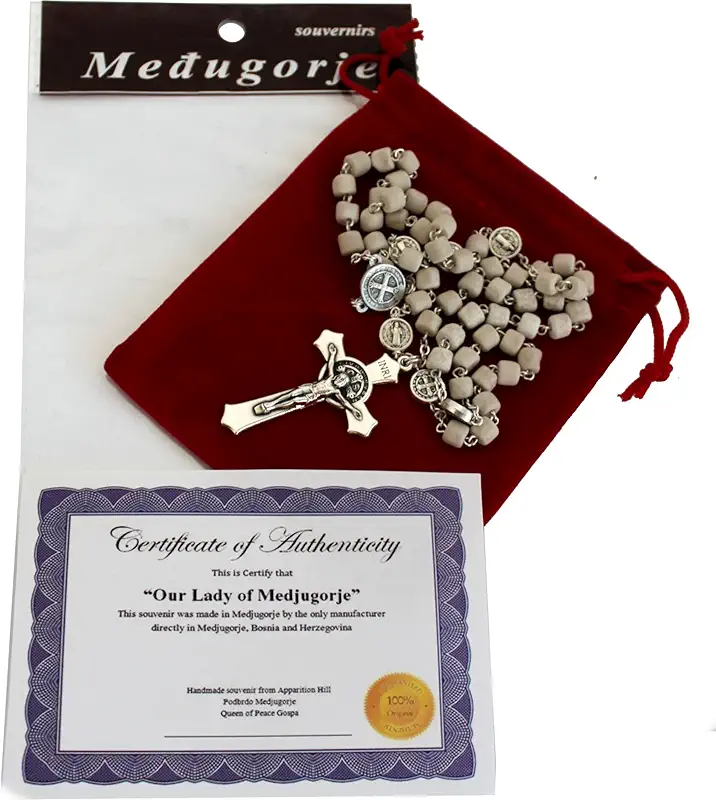
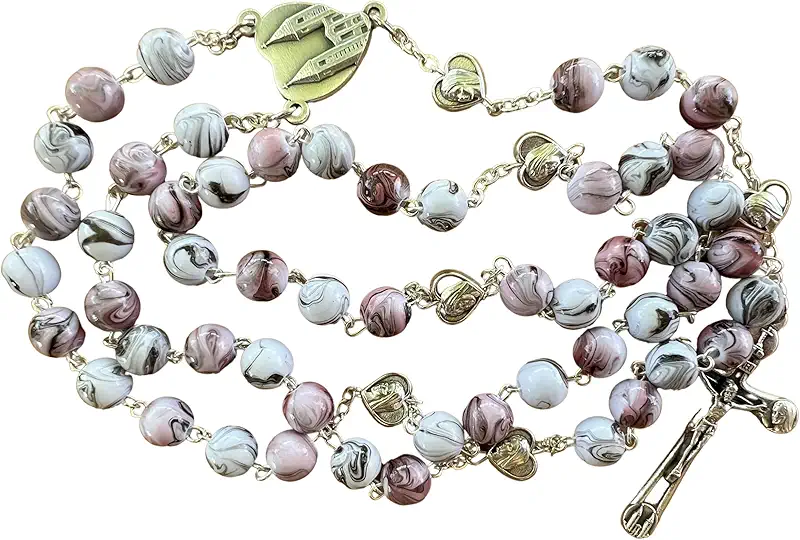
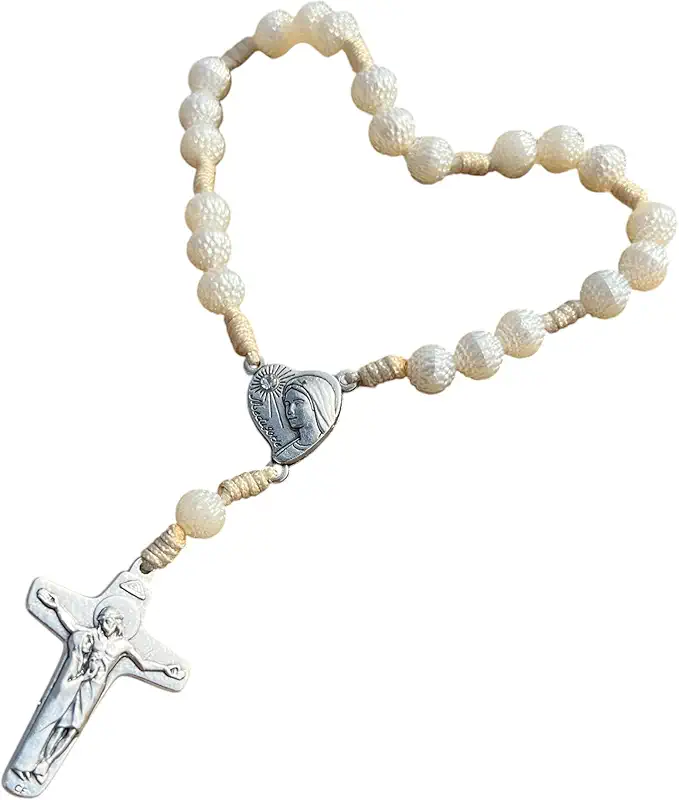
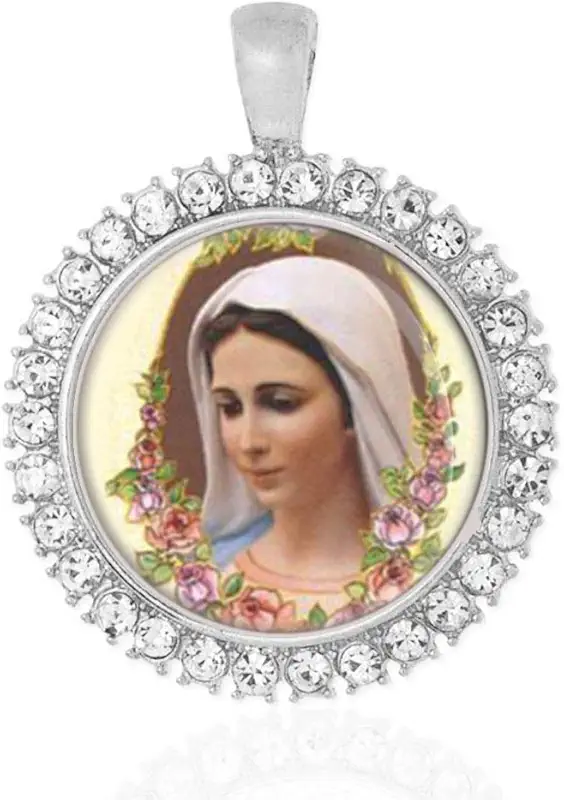
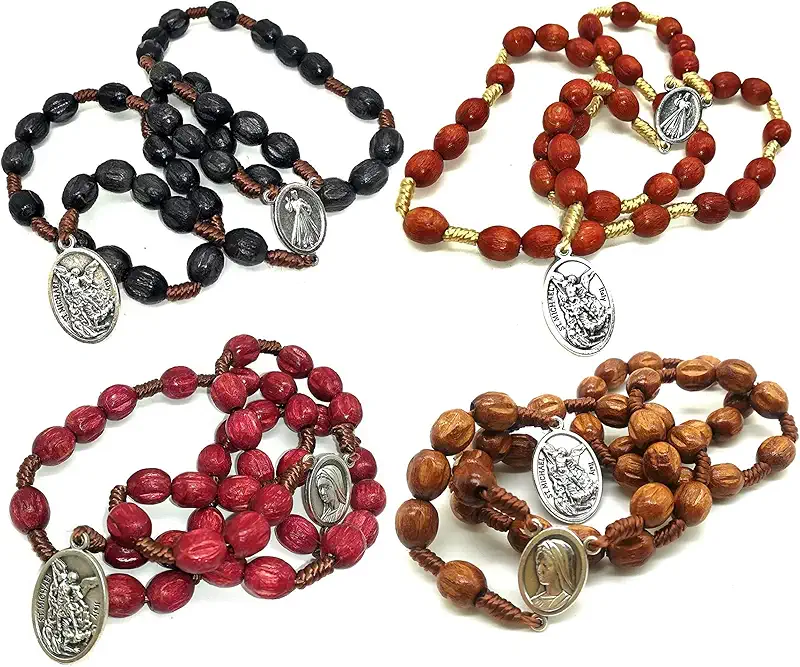
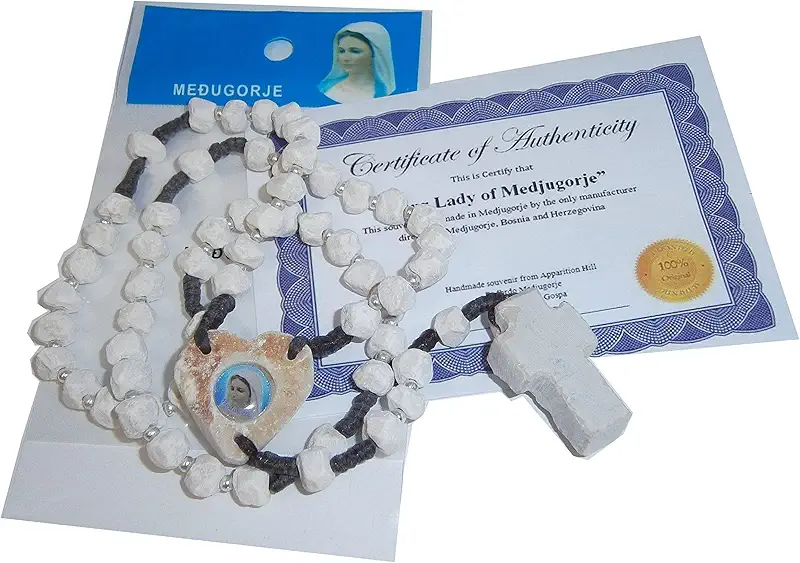
A Medjugorje Book often sits peacefully alongside other devotional items from Medjugorje or from your local parish: rosaries, small pictures, medals, or simple wooden crosses. Together, they create a gentle environment that reminds you to lift your eyes and heart beyond daily worries.
For some, a book from Medjugorje becomes a permanent part of a nightstand; for others, it travels in a backpack, tucked next to a journal or planner. I have carried a small Medjugorje booklet on airplanes and train rides, finding it calming to read a few lines in the midst of travel noise. It did not make the journey “holy” in any dramatic sense, but it kept my heart turned toward God in a quiet, steady way.
When paired with a rosary, a Medjugorje Book can help sustain focus during prayer. For example, you might read a short testimony about forgiveness or trust, then offer a decade for someone you find difficult to love. The story becomes a gentle lens through which you bring real people and real situations to God.
Over time, these small practices form habits: pausing, listening, offering, thanking. A Medjugorje Book does not need to sit at the center of your spiritual life. It can simply serve as one more humble tool that helps you make space for grace.
Medjugorje Book – Frequently Asked Questions
1. How often should I read a Medjugorje Book?
There is no strict rule. Many people find that a small, steady rhythm works best: a page or two each day, or a short passage a few times a week. Others read more intensely for a season, then set the book aside for a while. What matters most is reading with an honest, open heart, not counting pages. If you miss days, you can simply start again without guilt.
2. Is a Medjugorje Book only for people who have visited Medjugorje?
Not at all. Many readers have never traveled there and may never be able to. A Medjugorje Book can still help them pray, reflect, and grow in love for Mary and her Son. In some ways, those who have not gone on pilgrimage can benefit even more, because the book becomes a bridge between their own ordinary surroundings and the faith experiences of others around the world.
3. Can I give a Medjugorje Book as a gift?
Yes, many people quietly share these books with friends or family members who are searching, suffering, or simply curious. A book can be a gentle gift because it does not pressure anyone. The recipient can read it at their own pace, underlining what speaks to them and skipping what does not. If you choose to give such a gift, you might include a short handwritten note, sharing why the book helped you.
4. How does a Medjugorje Book fit with other Catholic devotions?
A Medjugorje Book does not replace the Bible, the sacraments, or traditional prayers. Instead, it usually supports them. Many people find that reading testimonies from Medjugorje encourages them to go to confession more regularly, to attend Mass with deeper attention, or to pray the Rosary more faithfully. In that sense, the book becomes a kind of companion that keeps pointing back to the heart of Catholic life.
5. What if I struggle with doubts about Medjugorje?
Doubts and questions are understandable, and you do not have to resolve everything before opening a Medjugorje Book. You can read with a calm, discerning spirit, keeping what helps you grow in faith, hope, and charity, and setting aside what does not. You are always free to bring your questions to prayer, to Scripture, and to wise, trusted voices in the Church. A book can be one voice among many, not the final word.