Medjugorje Medal
Medjugorje Medal: a small sign of trust carried through daily life
A Medjugorje Medal is a small, simple object, but for many Catholics it quietly holds a lot of personal meaning. It can sit on a chain around your neck, slip into your pocket, rest in your car, or stay by your bedside lamp. Its value is not in the metal or design, but in the way it reminds you to turn your heart toward God and to walk closely with Mary in everyday moments, especially when life feels noisy or uncertain.
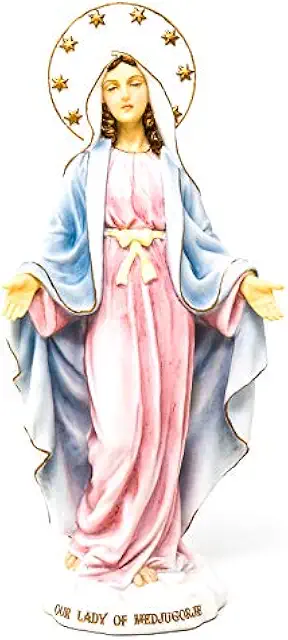
Over the years, I have come to see my own Medjugorje Medal as a quiet companion rather than a lucky charm. On difficult days, just feeling it between my fingers has helped me pause, breathe, and whisper a short prayer, even when I did not have many words. It has never been about expecting something spectacular, but about remembering that I do not walk alone, and that Mary always leads us gently toward her Son.
What a Medjugorje Medal usually represents
A Medjugorje Medal is often connected with the place of Medjugorje apparitions, where many people travel to seek silence, confession, and a deeper life of prayer. Whether or not someone has made the pilgrimage, the medal can be a reminder of that desire for conversion, peace, and a simpler heart turned toward God.
For many American Catholics who may never visit Bosnia and Herzegovina, the medal becomes a bridge. It connects day-to-day life in homes, offices, hospitals, and classrooms with the quiet hills and long lines for confession people often describe from that place. Holding the medal can gently nudge the heart toward repentance, gratitude, and a more honest conversation with God.
These medals often feature an image of Our Lady, a cross, or a simple scene tied to that region. Some include short phrases or dates. The specific design matters less than the intention with which you carry or wear it. The Church invites us to keep our focus on Christ, and a medal like this can help us remember that Mary is always pointing to Him, even through small objects.
Common ways people use a Medjugorje Medal
- Wearing it on a chain or cord as a daily reminder to pray.
- Keeping it on a keychain or in a pocket during work or travel.
- Placing it near a bedside, prayer corner, or family crucifix.
- Attaching it to a rosary or keeping it in a small pouch with other sacramentals.
- Giving it quietly to a friend or family member who is going through a hard time.
None of these practices are about magic or superstition. They are simply ways to keep faith close at hand, especially when distractions and worries easily pull us away from prayer.
Medjugorje Medal in a daily routine
Many people like to build small habits around their Medjugorje Medal. For instance, touching it briefly before leaving the house, or when sitting down at a desk, can become a short, quiet act of trust: “Lord, stay with me today.”
Some parents keep one on the nightstand and hold it for a brief moment after tucking in their children, saying a Hail Mary for their family. Others leave it in the car and touch it before starting the engine, especially on long trips or on days when they feel tired or distracted.
These little gestures do not replace the sacraments or the deeper forms of prayer, but they can support them. They help bridge the gap between Sunday Mass and the rest of the week, between big decisions and the everyday worries that quietly wear us down.
Personal experiences with a Medjugorje Medal
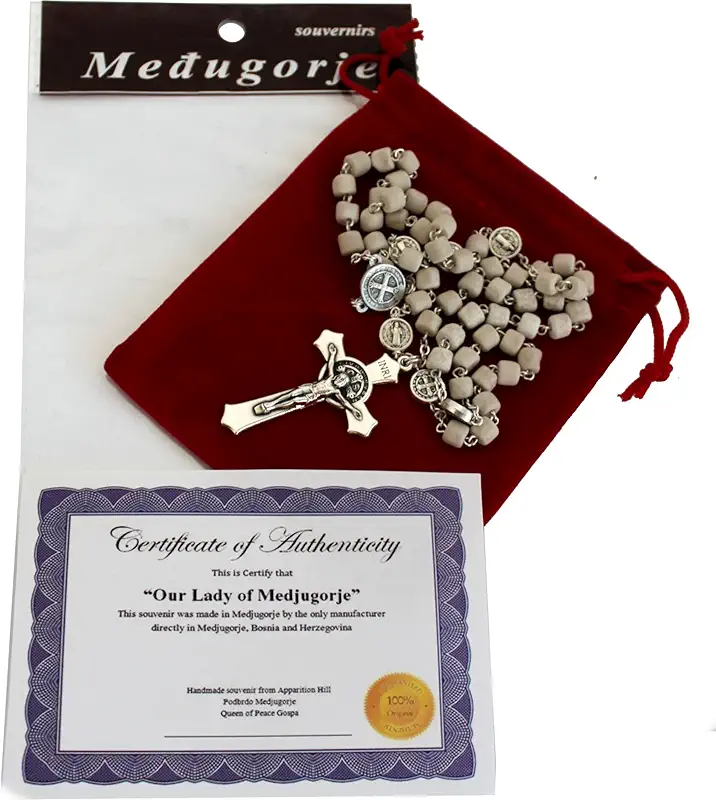
The first time I held a Medjugorje Medal, it was a small gift from a friend who had just come back from pilgrimage. He did not say much when he gave it to me. He simply put it in my hand and said, “Keep this close when you feel far from God.” At that moment, I was going through a season where prayer felt dry and distracted, and I was not expecting a little medal to matter much at all.
Yet, several weeks later, I found myself in a hospital waiting room, worried about a family member. I reached into my pocket and felt that medal. Without planning to, I closed my hand around it and began quietly saying the Hail Mary, over and over. Nothing miraculous happened in front of my eyes, but something in me calmed down. I felt more able to accept the uncertainty, to stay present, and to trust that we were not alone in that moment.
Another time, during a stressful season at work, I started the habit of touching the Medjugorje Medal on my keychain before entering the building. It became a simple way of saying, “Jesus, I give You this day,” and asking Mary to walk with me. It did not make the deadlines disappear, but it gently changed the way I carried them.
Over the years, I have seen similar stories in the lives of friends. One friend keeps a Medjugorje Medal in the glove compartment and remembers to pray for peace whenever she drives past the local church. Another wears one inside his shirt, close to the heart, not so that others will see it, but as a private reminder to forgive quickly and complain less.
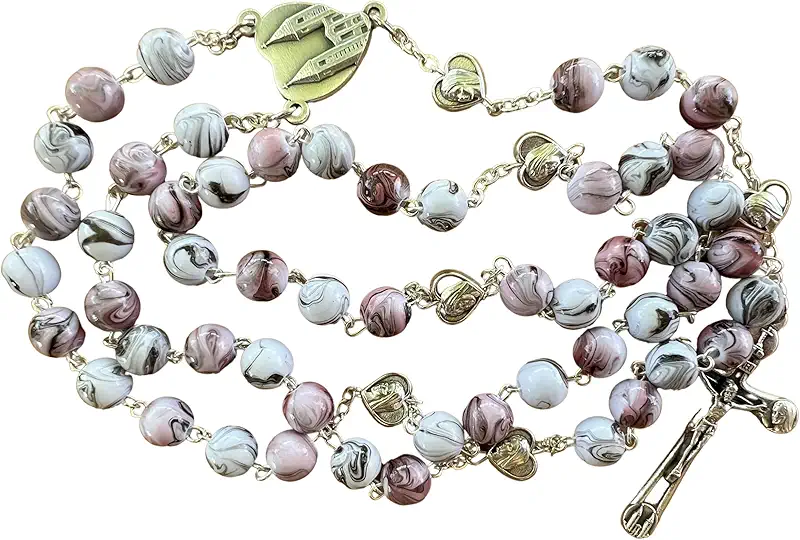
None of us would say that the medal itself did anything extraordinary. What mattered was that it prompted us to pray when we might otherwise have just worried or complained. Holding that small piece of metal helped us remember that God was already present in the room, in the car, in the office, in the silence of the night.
How a Medjugorje Medal can fit into family and home life
In many Catholic homes, small devotional items like crucifixes, rosaries, and medals are scattered quietly in different corners. A Medjugorje Medal can easily find its place among them without drawing attention to itself. It might hang on a hook near the door, rest in a small dish by the bed, or stay in a family prayer basket alongside a Bible and rosaries.
Some families like to have a little tradition around the medal. For example, a parent might place it in a child’s hand and say, “When you feel afraid, remember that God is near,” before bedtime or before a big test at school. Other families keep it in a place where anyone can take it into their pocket for a day when they feel particularly in need of peace.
In my own home, I have sometimes left the Medjugorje Medal by the kitchen sink. It sounds strange, but it is often in the middle of ordinary chores—washing dishes, packing lunches, sorting mail—that I most need the reminder to be patient and kind. When I catch sight of the medal lying there, it helps me choose to offer those small, hidden tasks to God instead of just rushing through them.
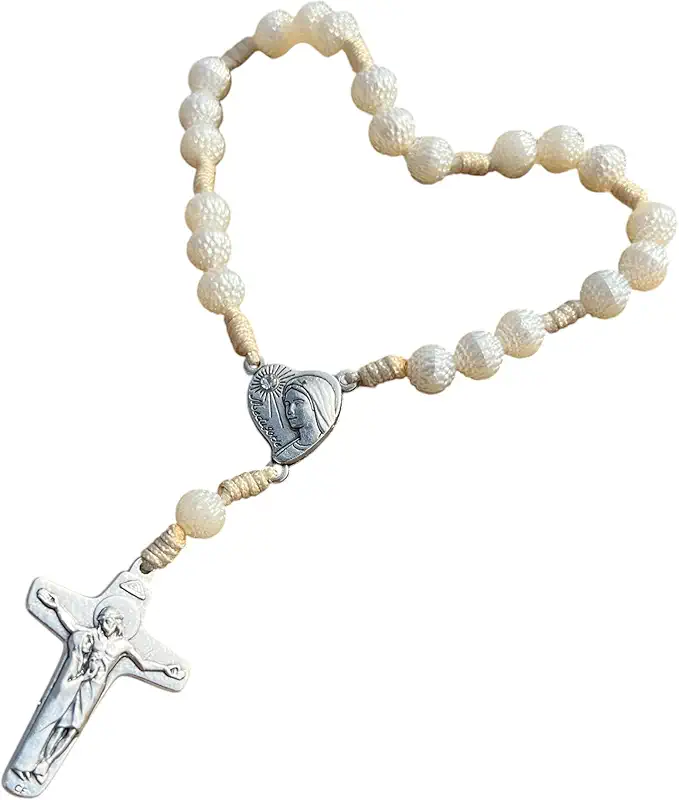
Giving a Medjugorje Medal as a gentle gift
A Medjugorje Medal can also be a thoughtful gift, especially when words feel hard to find. People sometimes offer it to someone going through illness, grief, or anxiety. It can also be a quiet gift for sacraments, such as First Communion, Confirmation, or even a wedding or anniversary, as long as it is given with respect and without pressure.
When I once gave a Medjugorje Medal to a friend after a painful loss, I made sure not to promise anything or to say that this would make things “better.” I simply said, “If you want, keep this near you. When you feel overwhelmed, maybe it can help you remember that you are being prayed for.” Months later, my friend told me that on some nights, just holding the medal helped her feel less alone.
The most important thing is to respect the other person’s pace and heart. The medal should never feel like a demand or a solution, but more like a gentle sign of closeness and hope.
Choosing a Medjugorje Medal: simple considerations
When looking at different Medjugorje Medals, it can be easy to focus on details like metal type, size, or finish. Those things do matter—they affect comfort, durability, and how the medal feels in your hand—but they are not the heart of it.
You might ask yourself a few simple questions:
- Will I actually wear or carry this comfortably day to day?
- Does the image on the medal help me focus on prayer rather than distraction?
- Is the size right for the way I plan to use it (on a chain, in a pocket, on a keyring, etc.)?
- Does this design feel reverent and simple rather than flashy?
For example, some people prefer a very small medal that almost disappears under clothing, because they want it to be something very private between themselves and God. Others prefer a slightly larger one that they can easily hold between thumb and forefinger when praying in a waiting room or in bed at night.
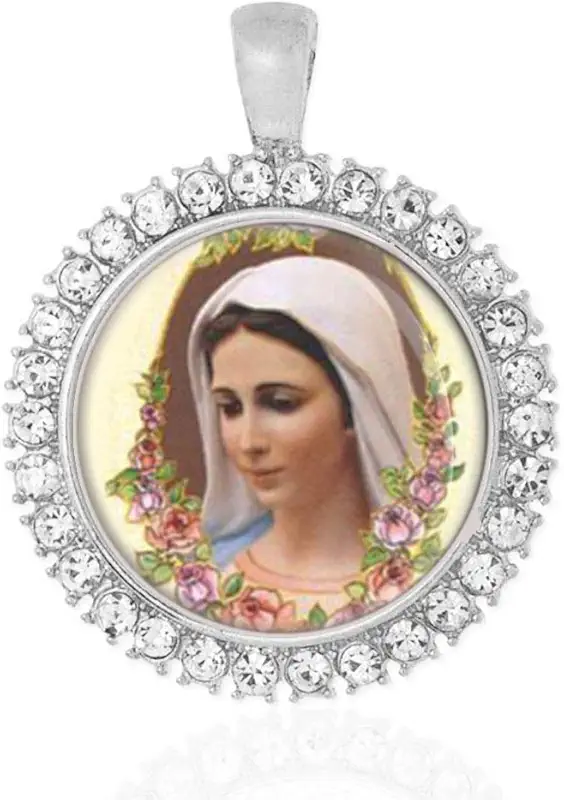
It can also help to think about where your medal will spend most of its time. If it will stay in a pocket with keys and coins, a sturdier metal and simple design may make sense. If it will hang on a bedroom wall or rest in a prayer corner, you might look for something a bit more detailed, knowing it will be handled more gently.
Above all, the best medal is the one that you will actually use in a spirit of faith and humility, not the one that looks most impressive. Intention matters far more than appearance.
Integrating a Medjugorje Medal with other devotions
A Medjugorje Medal does not stand on its own. It naturally fits into the wider rhythm of Catholic life: Mass, confession, the rosary, Scripture, and quiet moments of personal prayer. Many people like to keep their medal near their rosary so that both are close at hand when they feel called to pray.
For instance, someone might hold the medal in one hand and the rosary in the other while praying for peace in their family or in the world. Others simply place the medal near a crucifix, seeing it as another small reminder to live the messages of prayer, fasting, and conversion that are so often associated with Medjugorje.
In my own experience, keeping the Medjugorje Medal near my Bible has helped me remember to approach Scripture with a more open heart. Before reading, I sometimes hold the medal for a brief second and ask quietly, “Lord, help me listen.” It is a small gesture, but it shifts my focus and helps me receive the Word with more attention.
Some people also choose a specific intention for their Medjugorje Medal. It might be a family member who has drifted from the faith, a personal weakness they are working on, or a situation in the Church or the world that weighs on their heart. Whenever they notice or touch the medal, they remember to lift that intention quietly to God, through Mary’s intercession.
Medjugorje Medal – Frequently Asked Questions
No, you do not need to have visited Medjugorje to use or appreciate a Medjugorje Medal. Many Catholics who have never traveled there still find the medal meaningful. It can symbolize a desire for deeper conversion, more faithful prayer, and greater peace in the heart. Whether or not you ever make a pilgrimage, the medal can quietly support your journey with God right where you live.
Many Catholics like to have their medals blessed by a priest as a way of entrusting their use to God. You can simply bring the medal to a priest after Mass or schedule a time to meet, and respectfully ask for a blessing. The blessing does not turn the medal into something magical, but it does place this small object more intentionally within the life of the Church and your walk with Christ.
Carrying a medal becomes superstitious only if someone treats it like a charm that works automatically or guarantees certain outcomes. Used properly, a Medjugorje Medal is a reminder to trust God, to pray, and to live the Gospel more fully. The Church encourages us to avoid superstition, but also recognizes that physical objects can help us lift our hearts to God when used with faith, humility, and right intention.
You can, as long as you do so gently and respectfully. It can be a quiet way of saying, “I am praying for you,” without forcing a conversation they are not ready to have. It may help to include a simple note, explaining that the medal is a sign of your prayers and that there is no pressure to wear or use it. The goal is to offer comfort and hope, not to push or convince.
A gentle way to start is to place the medal where you will see it every day—on your nightstand, near your keys, or in your pocket. You might begin by saying a short prayer whenever you notice it, such as “Jesus, I trust in You,” or a simple Hail Mary. Over time, you may find your own rhythm, perhaps touching the medal before work, during stress, or as you prepare for sleep. There is no strict formula; the key is to keep your heart turned toward God in sincerity.
Quietly exploring different Medjugorje Medals
If you are considering a Medjugorje Medal for yourself or someone you love, it can help to explore a few different styles, shapes, and sizes. Sometimes, seeing various designs side by side makes it easier to notice which one gently draws your heart toward prayer. You might look for medals with a clear, simple image of Our Lady, or for those that include a small cross or inscription that speaks to you.
As you look through options, you may want to pause for a brief moment and ask God to guide your choice. Not because the decision itself is huge, but because it is one more opportunity to invite Him into your everyday life. The right medal for you is likely the one that quietly encourages you to pray a little more, trust a little more, and remember that you are loved.
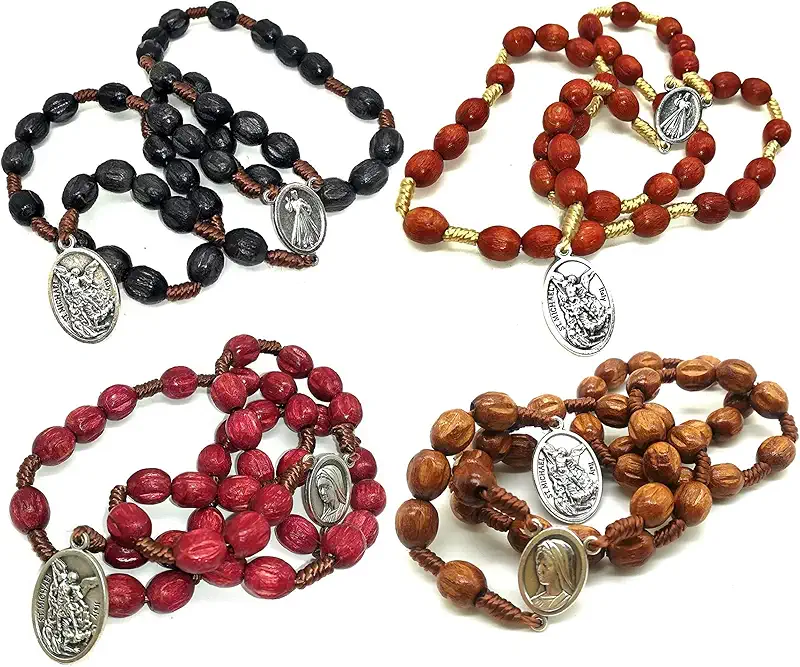
I have found that even the simple act of browsing Medjugorje Medals can become a kind of prayer. When I look at these small images of Mary and the cross, I am reminded of how many people, in many countries, are also trying to walk with God in their own struggles and joys. It reminds me that faith is not a private possession but a shared journey, and that each of us carries small signs of hope in different ways.
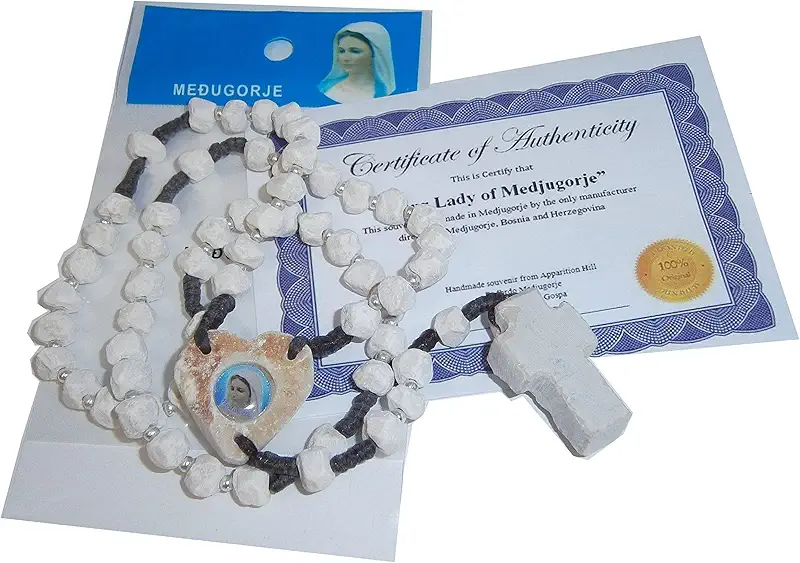
If you would like to take your time and look through various designs, materials, and sizes, you can quietly explore the many Medjugorje Medals available online and see which one seems to fit your own path of prayer.
See all options