
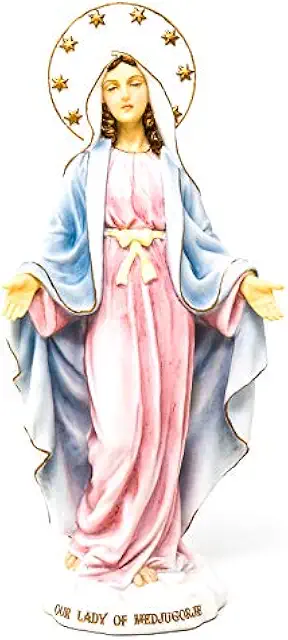
When people talk about the Medjugorje Virgen, they usually mean the way Our Lady is honored in that small village and how that devotion has touched their own lives. For many of us who have never set foot there, the connection comes through humble things: a simple statue on a dresser, a rosary hanging from the rearview mirror, a small picture taped near a computer screen. These objects have no power by themselves, but they quietly invite us to remember God in the middle of laundry, traffic, and bills.
My first contact with the Medjugorje Virgen was years ago when a friend brought back a small, plain plastic statue from a trip overseas. At first I honestly thought it looked a bit cheap. But she told me how she had prayed while carrying it, and how she wanted me to have a reminder that Our Lady is close even when life feels confusing. I put that little statue on a bookshelf near my front door. Over time, I found myself glancing at it every time I left the house, whispering a simple “Please stay with us today.” It became less about the statue and more about the steady habit of turning my heart to God.
What “Medjugorje Virgen” Means In Daily Life
If you read about Medjugorje, you find a lot of stories, opinions, and strong feelings. In the middle of all of that, an ordinary Catholic still has to live one day at a time: getting kids to school, working, caring for aging parents, trying to pray and stay patient. For most of us, devotion to the Medjugorje Virgen simply means letting Mary remind us, very gently, to listen to God, to be at peace, and to keep going with hope.
Small devotional items connected with Medjugorje can slip into that rhythm almost unnoticed. A rosary from that place is still a rosary like any other, yet the story behind it can encourage you to pick it up more often. A picture of the white statue on Apparition Hill might nudge you to pause for one Hail Mary before bed. In my own home, I do not think of these things as decorations, but as little anchors that keep my attention from drifting too far away from the Lord during busy days.
Common Medjugorje Virgen Items And How They Are Used
1. Statues For Home Prayer Corners
Many Catholics choose a small Medjugorje Virgen statue for a home prayer corner. It might sit alongside a crucifix, a candle, and a Bible. The statue does not have to be large or fancy. Even a modest one can become a familiar face in the room where you pray. I have noticed that when there is a dedicated spot for prayer, even a simple chair near a bookshelf, family members are more likely to pause there for a moment—especially if an image of Mary is present.
When I first set up a prayer corner in my home, I felt a little self-conscious, as if I were trying too hard. Over time, though, that space became a kind of quiet friend. Having a Medjugorje Virgen statue there helped me remember that God uses very ordinary places—kitchens, living rooms, sleepy towns—to draw people close to Him. The statue reminded me that it is okay to bring my tiredness and confusion into prayer just as I am.
2. Rosaries Connected With Medjugorje
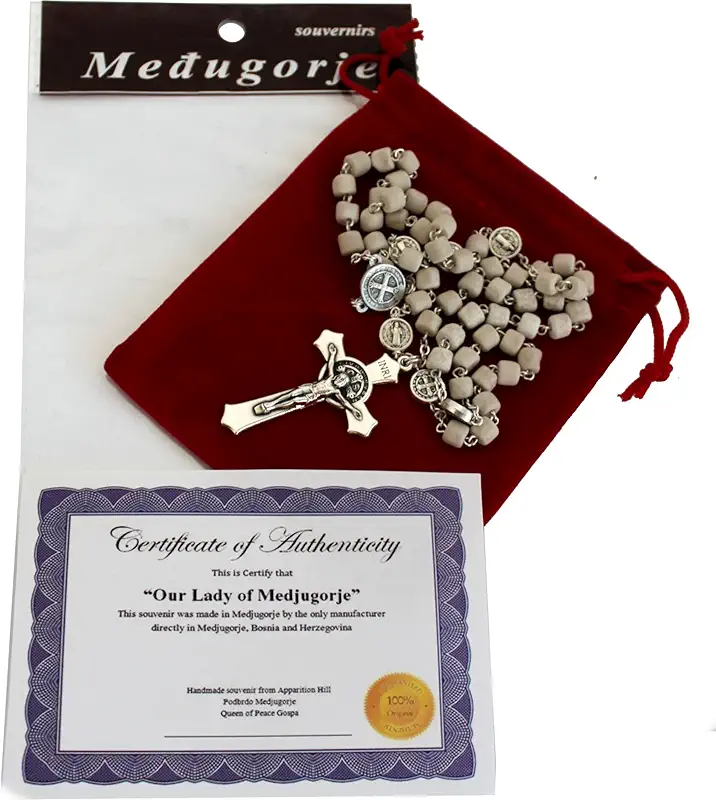
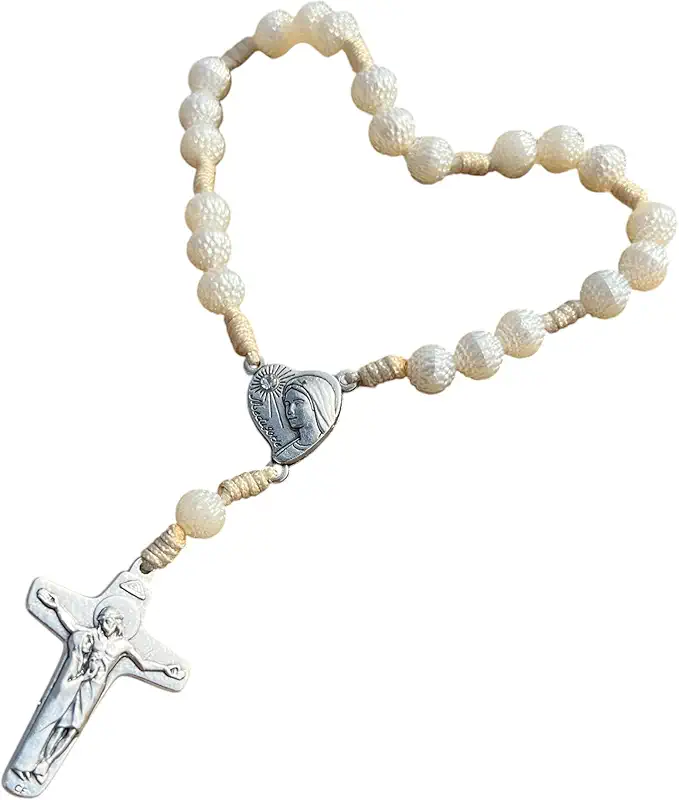
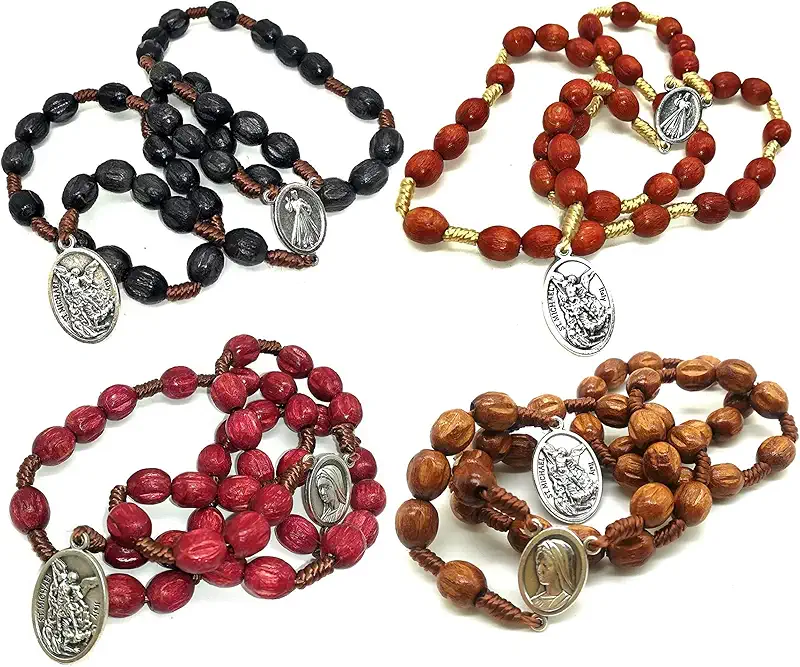
Another common item is a rosary associated with the Medjugorje Virgen. Sometimes the beads are made from local materials, like stone or wood, or they come with a small medal. Many people like to keep one near their bed or in a jacket pocket, so it is easy to reach for when they wake up during the night or stand in a line during the day.
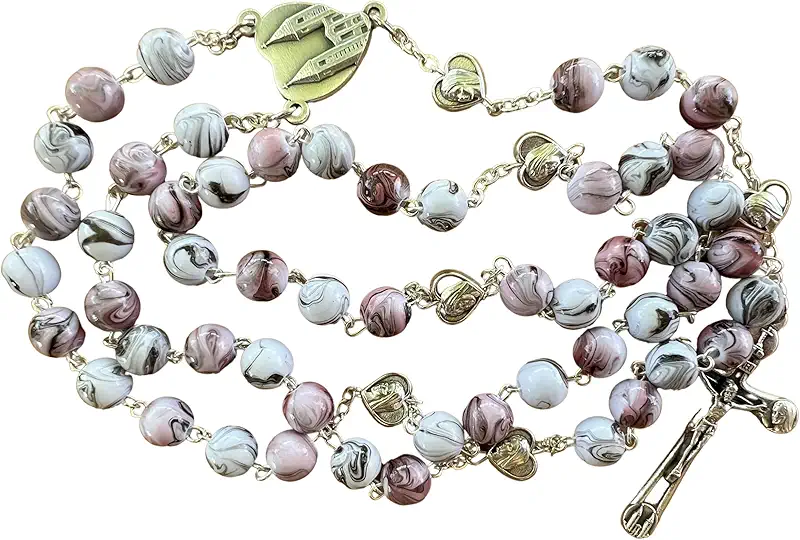
There was a season when I felt very anxious, waking up at 3 a.m. almost every night. A friend had given me a Medjugorje rosary, and I kept it on the nightstand. I did not always manage to say a full set of mysteries; sometimes I only made it through a decade before falling back asleep. But feeling the beads in my fingers and remembering that so many people all over the world pray the same prayers brought a kind of quiet solidarity. It helped me remember that I was not alone.
3. Medals, Bracelets, And Small Reminders
Some Catholics like small Medjugorje Virgen medals or bracelets. These can be worn or tucked into a wallet or purse. They are not lucky charms; they are reminders, like a photo of someone you love. When you touch the medal or notice the bracelet on your wrist, it can prompt a short, honest prayer: “Lord, help me listen,” or “Mary, stay close to my family today.”
I once carried a small Medjugorje Virgen medal in my wallet through a very difficult season at work. I rarely took it out in public, but I knew it was there. Every time I opened my wallet to pay for groceries or gas, I would catch a glimpse of it and quickly ask for the grace to respond calmly to whatever that day brought. It did not solve my problems, but it reminded me where to bring them.
4. Pictures And Prints For Home And Office
Pictures of the Medjugorje Virgen—sometimes the familiar white statue, sometimes artwork inspired by it—often find their way into homes and offices. A small framed print near the kitchen sink, a postcard tacked onto a bulletin board, or a simple photo on a desk can gently shift the atmosphere of a space. In the middle of emails, dishes, and noise, the image invites a breath and a quick turn of the heart toward God.
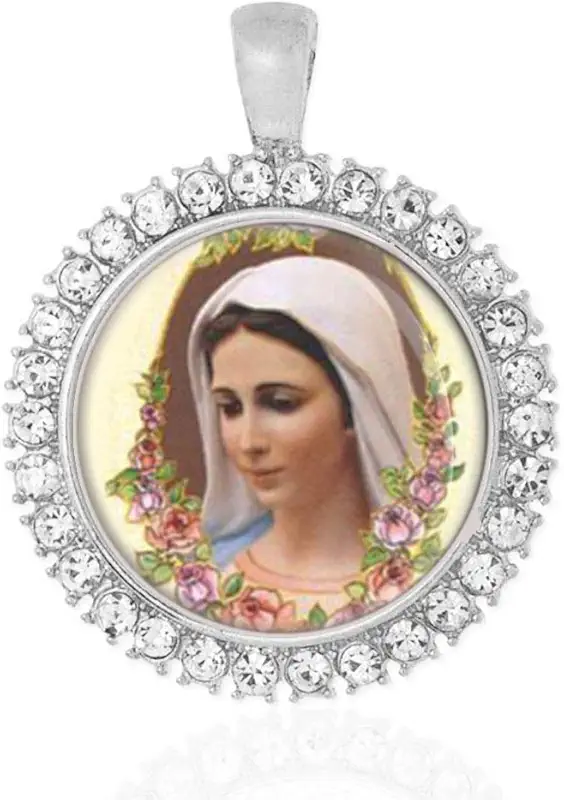
One of my favorite personal habits has been to keep a small Medjugorje Virgen image next to my computer screen. On stressful days, when messages pile up and deadlines loom, I catch myself staring at that quiet face for a moment. It does not magically fix anything, but it gently interrupts the rush and reminds me to breathe and to ask for grace before responding.
Bringing Medjugorje Virgen Devotion Into A Typical American Home
In the United States, Catholic families often juggle packed schedules, long commutes, and many responsibilities. In that setting, devotion to the Medjugorje Virgen is usually very simple. It is less about special feelings and more about steady habits: a decade of the rosary in the car, a short prayer before dinner, a glance at a statue or picture before leaving the house.
A small corner with a Medjugorje Virgen statue can become the place where the family gathers, even briefly, after dinner. Some families like to light a candle there and pray a single decade together. Others simply pause for a moment of silence, each one praying in their own way. The statue is not the focus; it is a sign that in this house, turning to God is normal, even when everyone is tired.
For individuals who live alone, a Medjugorje rosary or picture can keep prayer from feeling disconnected from daily life. When you come home from work, dropping your keys near a small image or statue can become a moment to say, “Thank you for bringing me safely through this day.” When you leave in the morning, you can ask quietly for protection and peace for everyone you will meet.
Choosing Medjugorje Virgen Items Thoughtfully
When looking at different Medjugorje Virgen items online, it can help to think less about appearance and more about how you actually live. A large, ornate statue might be beautiful, but a small, simple one could fit better on the shelf you pass every morning. A delicate rosary might look lovely, but a sturdier one may suit someone who likes to pray while walking.
I have learned to ask myself a few quiet questions before choosing anything: “Where would this realistically go in my home?” “When would I probably use this?” “Does this help me be more honest and simple in my prayer?” Taking time with those questions has helped me avoid collecting too many items and instead choose a few that naturally blend into my days.
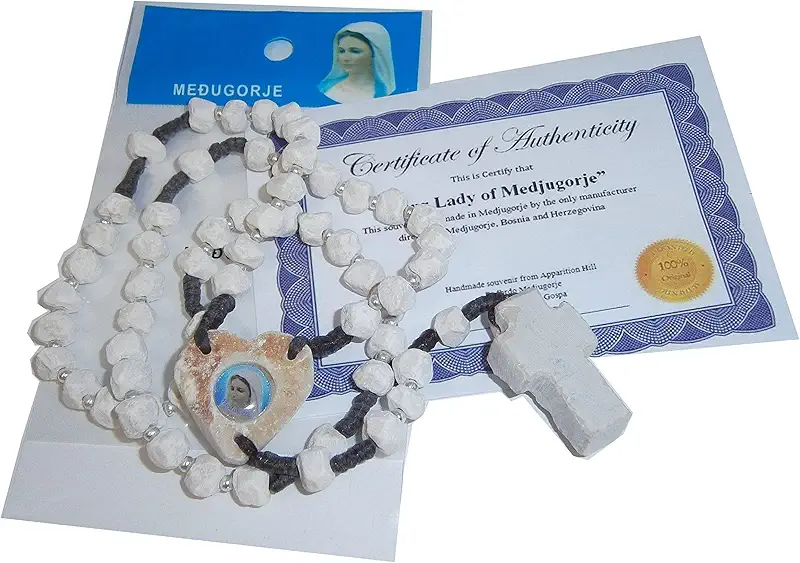
The deeper point is not to surround ourselves with religious objects, but to let a few gentle reminders open small doors to prayer. The Medjugorje Virgen has become, for many people, a symbol of quiet listening, of turning to God in the middle of ordinary life. A statue, rosary, or picture can quietly echo that invitation in a living room in Ohio, a dorm room in Texas, or a kitchen in New York just as it does on a hillside in Bosnia and Herzegovina.