
Statue Of Our Lady Of Medjugorje
Bringing a Statue Of Our Lady Of Medjugorje into the home is a simple way many Catholics quietly mark out a place for prayer, peace, and remembrance of Mary’s gentle presence in everyday life.
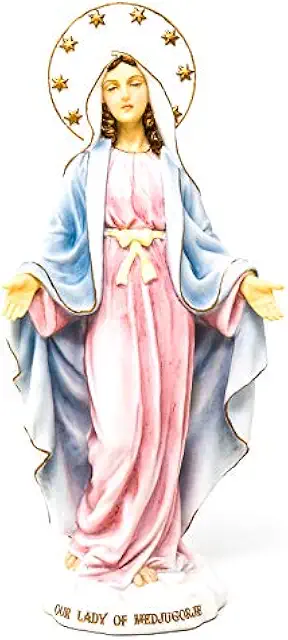
For many Catholics, a Statue Of Our Lady Of Medjugorje is not just something decorative on a shelf. It becomes a familiar face in the home, a gentle reminder to pause, breathe, and turn the heart toward God in the middle of an ordinary day. The image of Mary as she is often depicted at Medjugorje—peaceful, soft, and slightly bowed—seems to invite a quiet kind of prayer that fits easily into family routines, early mornings, and late evenings.
The first time I brought a small Medjugorje-style statue home, I honestly did not know where to put it. It felt almost too special for a cluttered dresser or a crowded bookshelf. After moving it around a few times, I finally placed it on a simple table near the front door, with a tiny dish for intentions written on folded paper. Over time, that corner turned into a natural stopping place when coming in or going out. No one announced it or planned it. It just slowly became a habit to pause there for a moment, sometimes only to whisper, “Mary, please keep us close to your Son today.”
This page contains affiliate links. If you click and buy, I may earn a commission at no extra cost to you.
Why a Medjugorje statue often feels “at home” in ordinary life
The devotion surrounding Medjugorje can stir a lot of different reactions, but on a very simple level many Catholics are drawn to the gentle, peaceful way Our Lady is usually portrayed there. A Statue Of Our Lady Of Medjugorje typically shows Mary with a soft expression, modest clothing, and a posture that suggests both listening and prayer. That simplicity makes it easy to place her image in a kitchen corner, a hallway, a living room, or a bedroom without feeling like it needs a grand display.
In American homes, where life can be rushed and noisy, even a small statue can quietly anchor a space. Some people keep a Medjugorje-style statue by the family table, lighting a candle on Sundays or during particular seasons such as Advent or May. Others set one on a nightstand, especially when they feel the need for a more focused place to end the day in prayer. The statue itself does not do anything magical; it simply helps the heart remember that our lives are lived in God’s presence, even while dishes pile up and schedules fill the calendar.
Over the years, I have noticed that guests sometimes pause in front of a Statue Of Our Lady Of Medjugorje even if they are not Catholic or are not very familiar with Marian devotion. They may not know the story of Medjugorje, but the expression on Mary’s face can still communicate calm and welcome. For me, that quiet reaction from others has been a gentle reminder that faith can be shared more by atmosphere than by many words.
How a Statue Of Our Lady Of Medjugorje can be used in daily prayer
Many Catholics who keep a Statue Of Our Lady Of Medjugorje nearby do so because it naturally supports very ordinary forms of prayer. It might be a simple Hail Mary before work, a decade of the Rosary after dinner, or a short moment of silence at the end of the day. Having a familiar image to look toward can make it easier to focus when the mind feels restless or the day has been heavy.
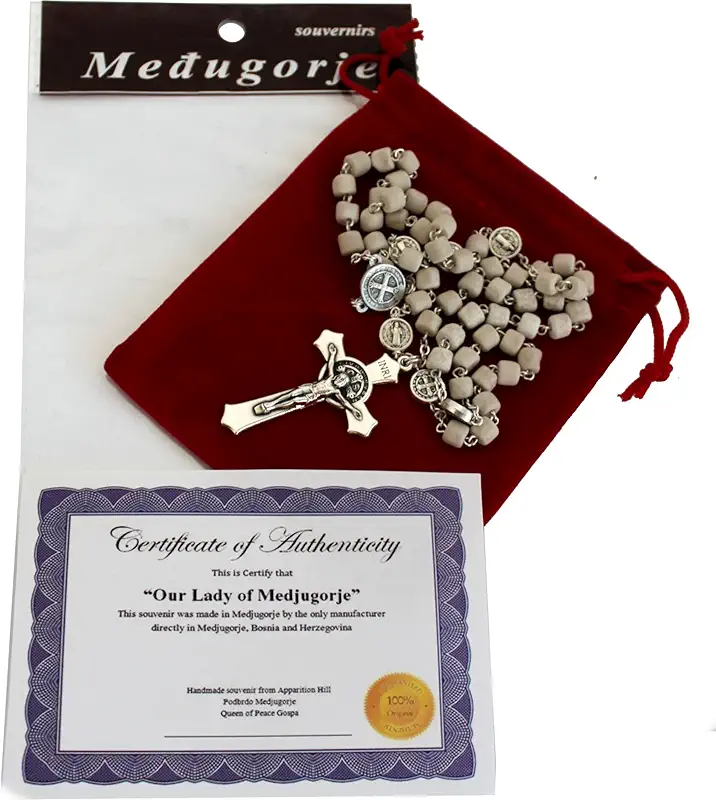
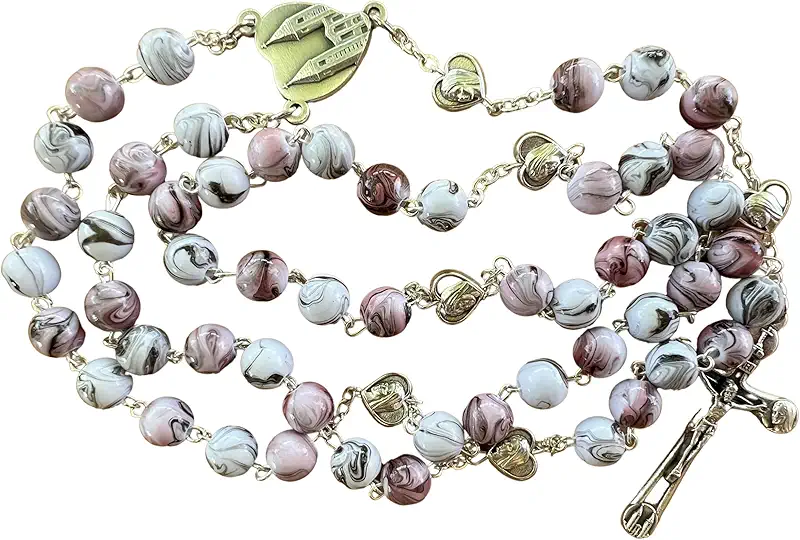
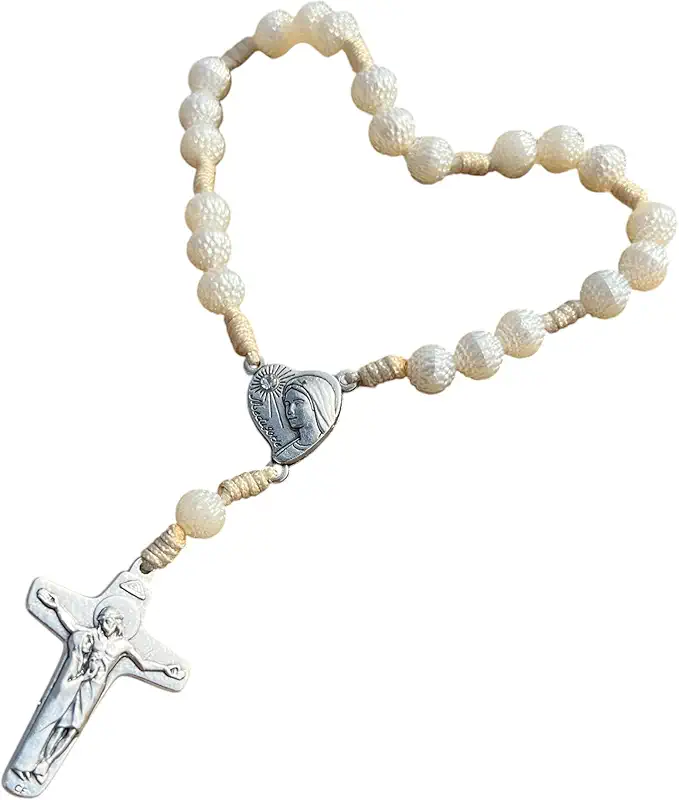
One of the most common ways people use these statues is as a Rosary companion. They place a small Rosary at the base of the statue, or hang it gently over Mary’s hands or arms, and then sit down nearby. The statue becomes a kind of visual “starting point.” You look at Mary’s face, take a breath, and then begin: “In the name of the Father…” On days when prayer feels difficult or distracted, simply resting your gaze on the statue for a moment can help to slow the racing thoughts.
Another simple custom is to place written intentions near the Statue Of Our Lady Of Medjugorje. These might be names of loved ones, difficult situations, or quiet burdens that are hard to express out loud. Some families keep a small basket or a box beside the statue where slips of paper can be tucked in. Over time, that little pile of intentions becomes a silent record of trust—of all the concerns they have chosen to place gently into God’s hands through Mary’s intercession.
In my own home, there was a season when a close friend was very ill. The Statue Of Our Lady Of Medjugorje on our bookcase seemed to draw my eyes every time I walked past. I started touching the base of the statue for a brief second and simply saying my friend’s name in my heart. It was not a formal devotion, and I did not wait for feelings of comfort. It was just a way of turning worry into a small act of prayer, again and again, day after day.
Placing a Statue Of Our Lady Of Medjugorje in different rooms
The place where a Statue Of Our Lady Of Medjugorje stands can shape how it is used in daily life. There is no single “correct” location, but some spots naturally encourage certain kinds of prayer and reflection. Thinking this through can help the statue become part of the home’s rhythm rather than just another object.
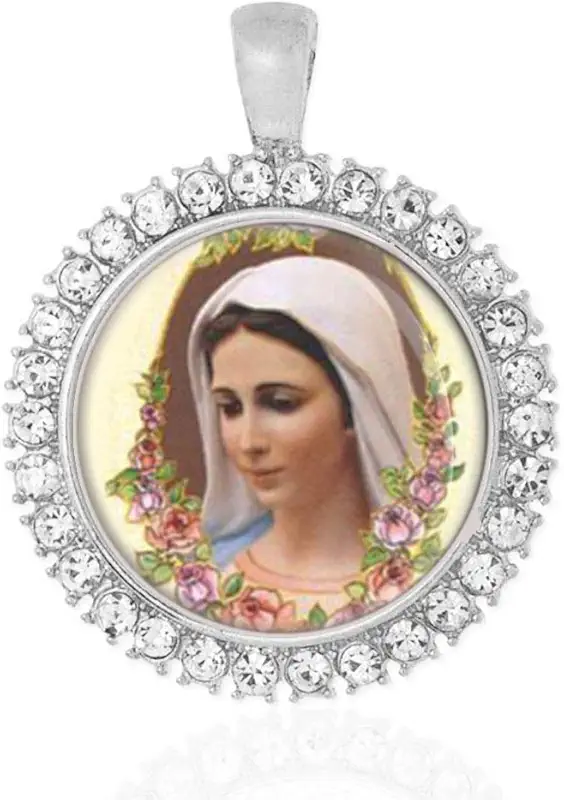
Living room or family space
When a Statue Of Our Lady Of Medjugorje is placed in the living room, it quietly joins the heart of family life. It may stand on a mantel, a small wall shelf, or a side table. Families sometimes gather near it for evening prayer, especially during Lent, Advent, or the month of May. Children often grow up with that image as part of the background of their memories—Mary watching over homework, conversations, and even noisy play.
In many homes, a small candle is kept near the statue and lit during moments of intentional prayer, then gently blown out once the time is finished. This simple ritual can help mark the difference between ordinary activity and a few minutes set aside for God. The statue, the candle, and the familiar prayers come together to create a rhythm of quiet that can be returned to again and again.
Bedroom or personal prayer corner
For some people, the most natural place for a Statue Of Our Lady Of Medjugorje is in a bedroom or a dedicated prayer corner. In a space like this, the statue can support more personal, private prayer—morning offerings, night prayers, and whispered intentions that never need to be heard by anyone else. It can also be helpful on nights when sleep is hard to find, as a visual reminder that we are not alone in our worries.
I remember a season when I placed a small statue on my own nightstand. I had been feeling overwhelmed and often woke up in the middle of the night. Instead of reaching for my phone, I tried to simply look at the statue for a moment and say, “Mary, stay with me,” followed by an Our Father or a Hail Mary. The problems did not vanish, but my attention slowly shifted from anxiety to prayer, which made those long nights feel less heavy.
Near the front door or entryway
Placing a Statue Of Our Lady Of Medjugorje near the entrance of the home can be a quiet way of entrusting comings and goings to God. Some families touch the base of the statue briefly when leaving for work, school, or travel, asking for protection and guidance. When they return, they might pause for a second to give thanks for a safe trip, even if the day was difficult.
Over time, that small ritual can help create a sense that the whole day—from the first step out the door to the last step back inside—is held within God’s care. The statue does not take away responsibilities or hardships, but it helps the heart remember that nothing is carried alone.
Different sizes and materials of a Statue Of Our Lady Of Medjugorje
Statues of Our Lady in the Medjugorje style come in many shapes, sizes, and materials, and each can serve a different kind of space or need. Some are small enough to hold in one hand, while others are tall enough to stand on the floor. There are statues made of resin, plaster, wood, ceramic, and even outdoor-safe materials that can withstand various weather conditions.

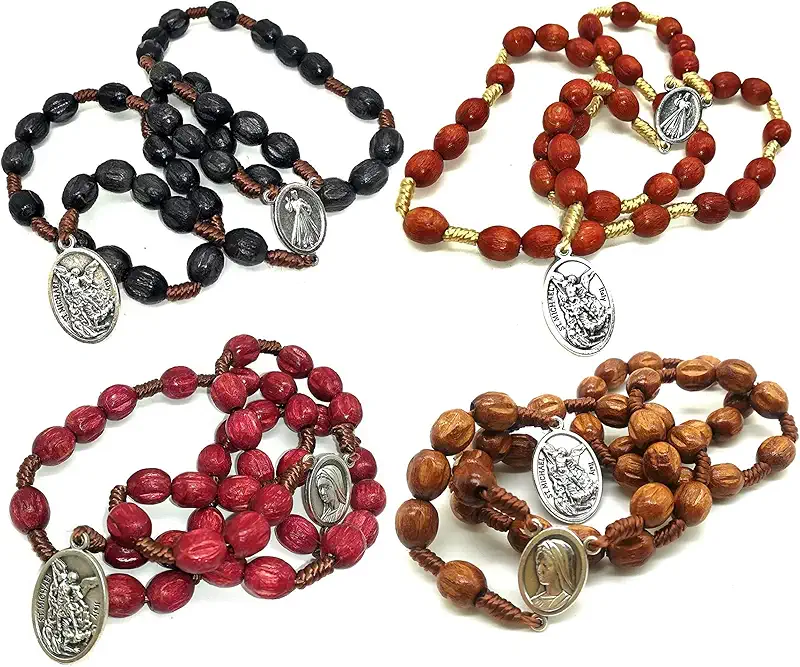
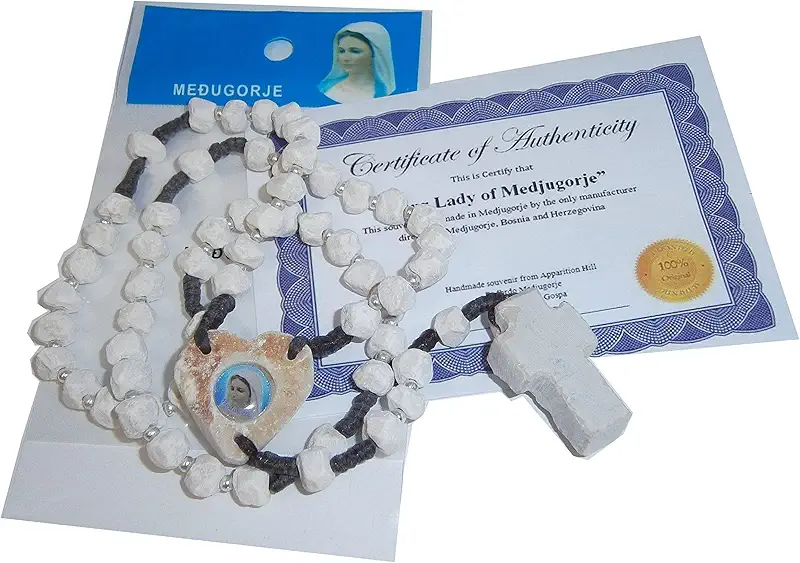
Small desktop or travel-sized statues
Smaller Statues Of Our Lady Of Medjugorje can be helpful for desks, workspaces, or travel. They slip easily onto a shelf at the office or sit quietly beside a laptop, reminding you to pause in the middle of tasks and deadlines. Some people keep a tiny statue in their luggage or in a travel bag, especially when they are often away from home. Unpacking that familiar figure in a hotel room or guest bedroom can make a strange place feel less foreign.
Medium-sized statues for shelves and tables
Medium-sized statues often work well on bookshelves, mantels, or side tables. They are large enough to be noticed but small enough to fit comfortably into most rooms. For many families, this size becomes the “main” Marian image in the home. It may be surrounded by a Rosary, a small crucifix, or a few holy cards, forming a simple prayer corner that does not require much space or decoration.
Larger or outdoor statues
Some Catholics feel drawn to place a larger Statue Of Our Lady Of Medjugorje outside, perhaps in a garden corner or near a front porch. Outdoor statues can create a quiet place for reflection under the open sky, especially at sunrise or sunset. A small bench or chair nearby can turn that spot into a real prayer space. At the same time, even a larger statue remains a sign of humble trust, not of perfection or certainty. It simply stands there, day and night, reminding us that God is present in all seasons and all weather.
I once visited a friend who had placed a tall Medjugorje-style statue in a simple backyard garden. The flowers around it were not fancy—just ordinary plants from a local store—but the whole space felt peaceful. We sat there together in silence for a while, each praying in our own way. That quiet half-hour did more good for my heart than many long conversations had.
Caring for a Statue Of Our Lady Of Medjugorje with respect
A Statue Of Our Lady Of Medjugorje, like any sacred image, deserves gentle handling and a clean place to rest. Caring for it does not need to be complicated. A soft cloth to remove dust, a stable surface to prevent it from tipping, and a little attention to lighting are usually enough. Some people like to place a simple cloth or doily underneath, not to make it look fancy, but to set it apart from ordinary objects.
It can also be helpful to think about what surrounds the statue. Nearby clutter may distract from the sense of peace it is meant to invite. At the same time, ordinary objects—family photos, children’s drawings, or a small stack of books—can show that faith is woven into real life, not removed from it. The goal is not to build a perfect display, but to make a space that naturally invites prayer and reflection.
When moving a Statue Of Our Lady Of Medjugorje, especially a fragile one, taking a few extra seconds to handle it with care can become its own quiet prayer. I sometimes say a short Hail Mary aloud while carrying a statue from one place to another, almost as a way of asking, “Stay with us here, too.” This kind of simple gesture is small, but it can slowly shape the way we see our homes—not just as places where we live, but as places where we walk with God.